
Daylighting vs Potholing: Choosing the Right Hydro Excavation Method
When you are working around underground utilities, knowing exactly what is below the surface can make all the difference. Utility maps and markings are helpful, but they do not always tell the whole story. Lines can be deeper or shallower than expected, shifted from their documented location, or missing from older records altogether.
That is where hydro excavation comes in.
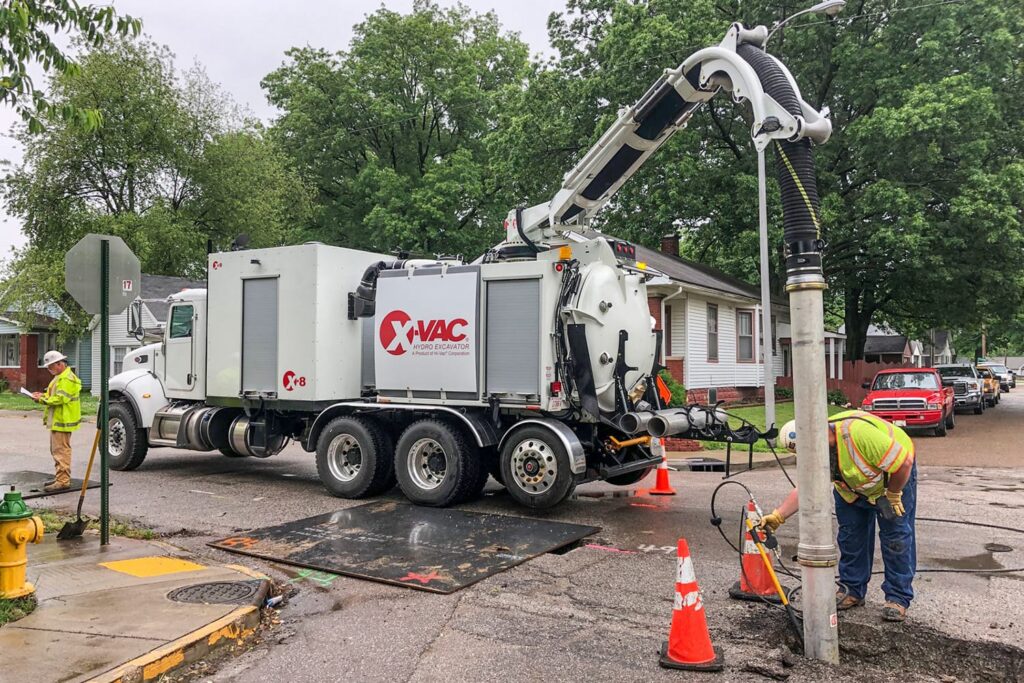
Hydro excavation uses pressurized water to break up soil while a powerful vacuum removes the resulting slurry. This controlled excavation method allows crews to expose underground infrastructure with greater precision and less disturbance than many traditional mechanical digging methods.
Two of the most common applications are daylighting and potholing. Although the terms are closely related and are sometimes used interchangeably, there are differences in how each method is typically used.
So, when comparing daylighting vs potholing, which method is right for the job? Let’s take a closer look.
Daylighting vs Potholing: Safer Digging with X-Vac Hydro Excavators
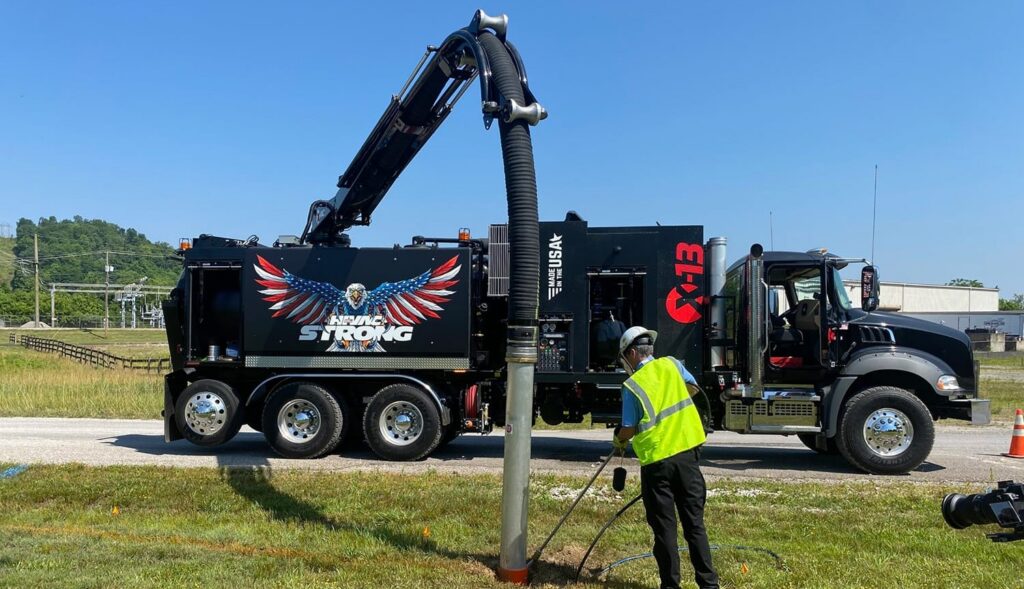
Digging deep holes the traditional way, using mechanical excavators, is often imprecise, and generates multiple risks. Hydro excavation reduces or eliminates all those risks, while creating a clean and spoil-free worksite.
What Is Daylighting?
Daylighting is the process of exposing an underground utility so crews can visually confirm its location, depth, direction, or condition.
Instead of relying solely on utility maps or locating equipment, daylighting gives crews a direct look at what is actually underground. Hydro excavation makes this possible by using pressurized water to carefully loosen the surrounding soil while the vacuum system removes the material from the excavation.
Daylighting can be especially useful when crews need to expose a utility at multiple locations or need greater visibility around existing underground infrastructure.
Common Daylighting Applications
Daylighting can be used for:
Locating underground gas, water, sewer, electric, fiber optic, and telecommunications lines
Confirming utility depth and position
Pre-construction site verification
Inspecting existing underground infrastructure
Planning excavation or trenching work
Supporting horizontal directional drilling
Utility maintenance and repair
Municipal and infrastructure projects
By exposing the actual utility, crews have better information before larger excavation, drilling, or construction work begins.
What Is Potholing?
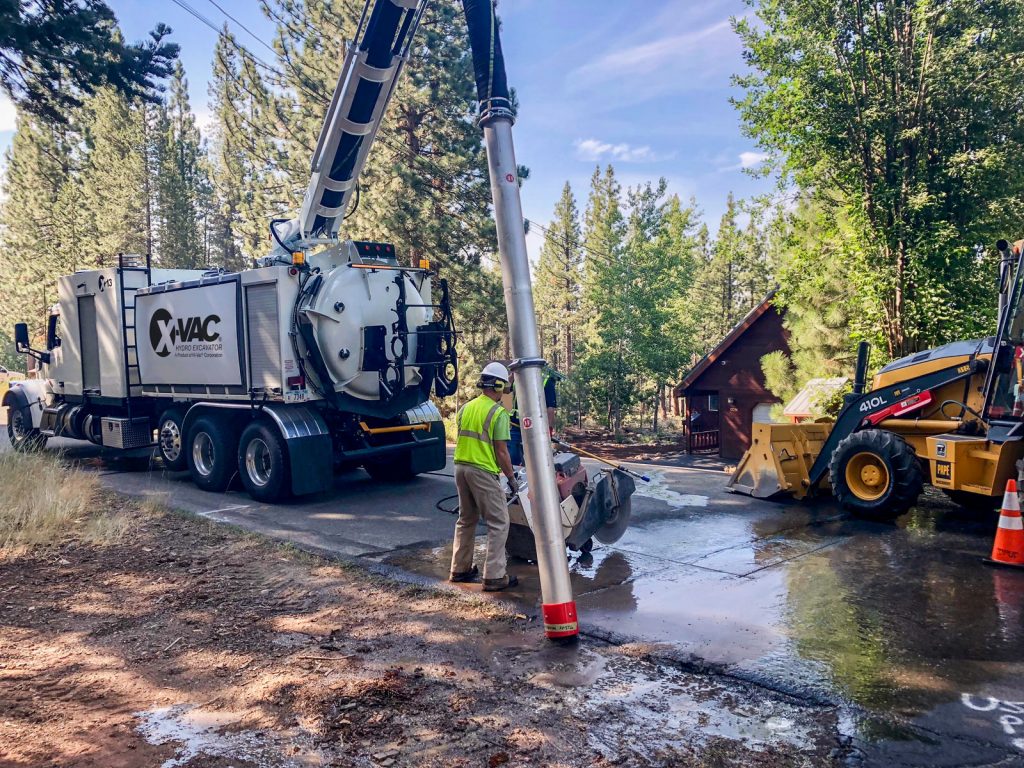
Potholing is a more targeted form of utility exposure. Instead of opening a larger area, crews create a relatively small test hole at a specific location to determine where a utility is and how deep it is.
Think of potholing as creating a small window into the ground. A contractor may know approximately where a utility runs based on markings or records but need to verify its exact depth before boring beneath it. A pothole can provide that information without excavating a larger section of the site.
Potholing can also be repeated at multiple points along a planned excavation or bore path to confirm where underground infrastructure is located.
Common Potholing Applications
Potholing is well suited for:
Verifying the location of a specific utility
Confirming utility depth
Identifying utility crossings
Preparing for horizontal directional drilling
Pipeline projects
Pole and sign installation
New utility installations
Confirming conditions before mechanical excavation begins
Because potholing focuses on a specific point, it can be an efficient way to gather critical underground information while limiting surface disturbance.
Daylighting vs Potholing: What's the Difference?
The biggest difference between daylighting vs potholing comes down to the scope and purpose of the excavation.
Daylighting is a broader term for exposing underground infrastructure so it can be visually identified, inspected, or mapped.
Potholing generally refers to creating a smaller, targeted hole to verify a utility at a specific point.
For example, a contractor preparing for a new utility installation may pothole several locations along the proposed route to confirm utility crossings and depths. If a larger section of an existing utility needs to be exposed for inspection, maintenance, or construction planning, a broader daylighting excavation may be appropriate.
In practice, the terms often overlap. Both have the same fundamental goal: giving crews a clearer picture of underground conditions before proceeding with the next stage of work.
Why Use Hydro Excavation for Daylighting and Potholing?
Traditionally, crews may have relied on shovels, backhoes, excavators, augers, or other mechanical methods to expose underground infrastructure.
The problem is that underground utilities do not always sit exactly where they are expected.
Using mechanical equipment near an unknown or incorrectly marked utility can increase the risk of damaging water lines, gas lines, electrical conduit, fiber optic cable, sewer lines, and other infrastructure.
Hydro excavation offers a more controlled approach.
Pressurized water loosens the soil while the vacuum immediately removes the material and stores it in the truck’s debris tank. This helps operators maintain visibility into the excavation while minimizing unnecessary soil removal.
Greater Precision: Hydro excavation allows operators to focus excavation on the area that actually needs to be opened. For potholing in particular, this means crews can create targeted holes instead of disturbing a much larger area.
Reduced Risk Around Utilities: When working around sensitive underground infrastructure, control matters. Hydro excavation can reduce the risk associated with aggressive mechanical contact from buckets, augers, or other digging equipment.
Cleaner Jobsites: The vacuum system collects the loosened soil and slurry as crews work. Instead of leaving piles of excavated material surrounding the hole, debris is contained in the hydro excavator’s tank.
That can mean a cleaner work area and less material to manage immediately around the excavation.
Less Surface Disturbance: Smaller, more precise excavation can also mean less restoration once the work is finished. This is particularly valuable when working around pavement, sidewalks, landscaped areas, developed properties, and congested jobsites.
Work in Challenging Conditions: Hydro excavation is not limited to ideal soil conditions. With the right equipment and options, crews can work through challenging soils and even frozen ground.
For contractors and municipalities working through Northeast winters, that capability can be particularly valuable.
X-Vac Hydro Excavators: Built for Demanding Jobs
Having the right hydro excavation method is only part of the equation. You also need equipment designed to handle the demands of the job.
X-Vac hydro excavators from Hi-Vac are built for applications including daylighting, potholing, trenching, excavation, and material removal.
The X-Vac lineup combines powerful water systems with high-performance vacuum capabilities to help operators excavate efficiently while maintaining control around sensitive underground infrastructure.
X-Vac models are designed with productivity, durability, and operator safety in mind.
Benefits of the X-Vac Lineup
Powerful Water and Vacuum Systems
X-Vac hydro excavators use adjustable high-pressure water delivery systems to break through soil while powerful vacuum systems remove slurry from the excavation.
For daylighting and potholing, this combination helps crews maintain a clear excavation and accurately expose the infrastructure below.
Multiple Sizes for Different Applications
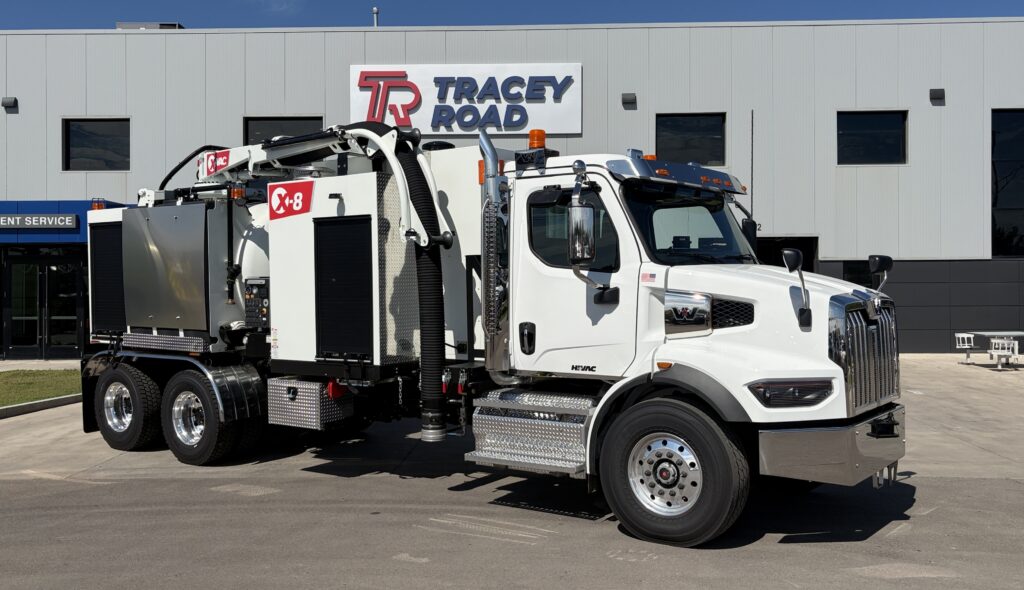
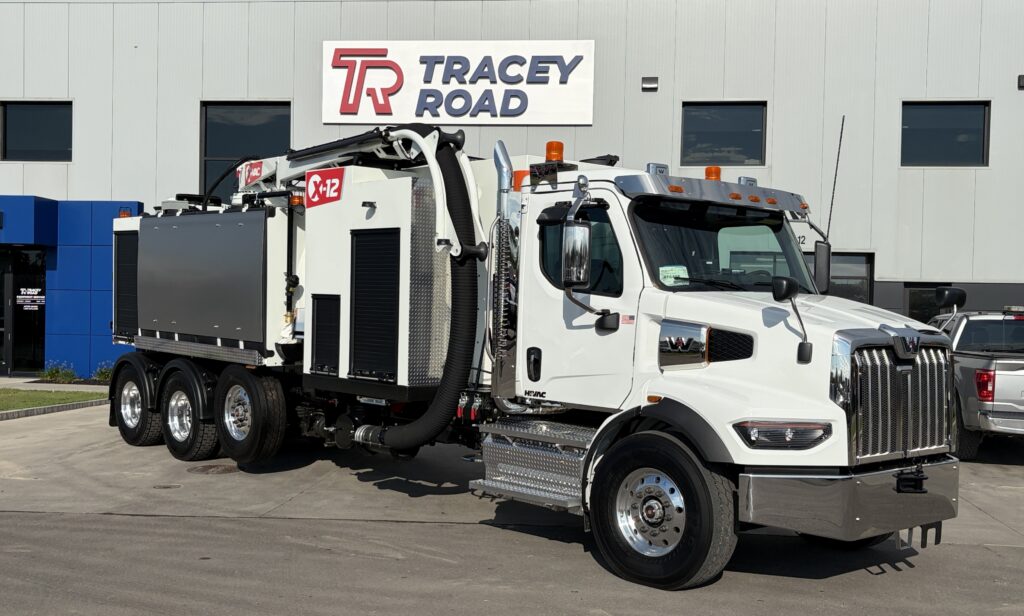
The X-Vac lineup includes several configurations to accommodate different job requirements, including the X-8, X-12, X-13, and X-15 Hydro Excavators.
From more compact jobsites to demanding projects requiring greater debris and water capacity, customers can select a machine that better matches their typical workload.
Extended Reach
Depending on the model, X-Vac units offer boom configurations designed to provide greater working reach while reducing the need to constantly reposition the truck.
That can be especially beneficial when working around traffic, buildings, sidewalks, utilities, or other obstacles where placing the truck directly beside the excavation is not practical.
Built for Cold Weather
Available boiler systems can help operators tackle tough clay and frozen soil. X-Vac also offers cold-weather features designed to help keep units operating when temperatures drop.
For contractors and municipalities working throughout New York and Pennsylvania, cold-weather capability can help extend the hydro excavation season.
Efficient Debris Management
Removing the material is only half the job. Eventually, it needs to come back out of the truck.
X-Vac hydro excavators are designed with fast debris offloading in mind, with features and available options that can help reduce downtime between jobs.
Operator-Focused Safety
X-Vac builds several safety features into its hydro excavators, including dual emergency stops, wireless remote functionality, boom out-of-stow alarms, and components designed to improve safety during cleaning and maintenance.
Operators should always be properly trained and follow applicable safe work practices and procedures when using hydro excavation equipment.
Choosing Between Daylighting and Potholing
There is no single method that is right for every excavation.
If you need to verify the depth or location of a utility at a specific point, potholing may provide the focused approach you need.
If the project requires greater exposure of underground infrastructure for identification, inspection, mapping, maintenance, or planning, daylighting may be the better approach.
In many projects, crews may use both.
The important part is choosing an excavation method that provides the information crews need while minimizing unnecessary disturbance around existing infrastructure.
Find the Right X-Vac Hydro Excavator at Tracey Road Equipment
Whether you’re locating utilities before construction, preparing for directional drilling, completing municipal infrastructure work, or tackling demanding excavation projects, the right hydro excavator can help make the job more efficient.
As a Hi-Vac dealer, Tracey Road Equipment carries the complete X-Vac hydro excavator lineup, giving customers access to machines designed for everything from precise daylighting and potholing to larger excavation applications.
Our team can help you compare X-Vac models, capacities, features, and available options to find the right setup for your operation.
Ready to add hydro excavation capabilities to your fleet? Contact Tracey Road Equipment today to learn more about X-Vac Hydro Excavators.

Service Hours
Syracuse:
- Monday - Friday: 7:00AM - 11:00PM
- Saturday: 7:00AM - 12:00PM
- Sunday: Closed
Other Locations:
- Monday - Friday: 7:00AM - 5:00PM
- Saturday - Sunday: Closed
Elite Support Locations
Other Locations