
2027 NOx REGULATIONS: WHAT FLEET OWNERS NEED TO KNOW BEFORE IT'S TOO LATE
The trucking and equipment industries are preparing for one of the most significant emissions changes in over a decade: the EPA’s 2027 NOx Regulations. These new standards will dramatically reduce allowable nitrogen oxide emissions from heavy-duty engines, reshaping how fleets purchase equipment, how service departments maintain it, and how rental providers position their inventory. With the EPA confirming it will keep the 2027 timeline in place, now is the time for fleet owners, municipalities, and contractors to understand what’s coming and how it may affect operations, budgets, and long-term planning.
Understanding the 2027 NOx Regulations: What Fleets, Municipalities, and Contractors Need to Know
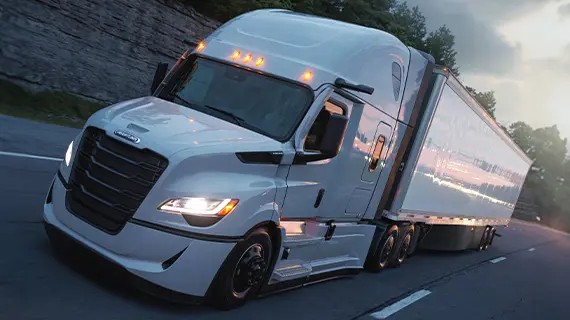
The EPA’s final rule, titled Control of Air Pollution from New Motor Vehicles: Heavy‑Duty Engine and Vehicle Standards (adopted December 20, 2022), establishes tougher emissions standards for heavy-duty engines and vehicles starting with model year 2027. In short: if you are purchasing, renting, or servicing heavy trucks or equipment with diesel engines, the 2027 NOx regulations are a game-changer.
What the 2027 NOx Regulations Actually Require
The 2027 NOx Regulations introduce much stricter limits—reducing allowable emissions by more than 80% compared to today’s standard. They also expand requirements for low-load, idle, and cold-start operation, increase emissions-system durability expectations, and extend warranty periods. In short, engines built for model year 2027 and beyond will require more advanced after-treatment systems, more sophisticated monitoring, and improved long-term performance. For businesses that rely on heavy-duty trucks and equipment, these changes will influence both day-to-day operations and future equipment cycles.
How These Rules Will Affect Equipment Costs
One of the biggest impacts will be cost. Industry analysts expect new trucks to become more expensive due to the added technology required to meet the new limits. The EPA’s own estimates show several thousand dollars in additional upfront cost per vehicle, along with potentially higher lifetime maintenance expenses tied to more complex emissions systems. At the same time, many fleets may attempt to “pre-buy” equipment ahead of 2027 to avoid higher prices and transition uncertainty. Others may extend the life of existing trucks and machinery, which could temporarily increase demand for service and rental units.
What This Means for Tracey Road Customers
For companies like Tracey Road and the customers we support across New York and Pennsylvania, the 2027 NOx Regulations present both challenges and opportunities. Sales teams will need to help customers understand what changes to expect in the 2027-spec engines and how pricing and availability may shift. Rental fleets may see increased demand as businesses delay purchasing decisions until they get closer to 2027. Service departments should prepare for more complex after-treatment systems, longer emissions-system warranties, and the need to ensure uptime for customers who rely on compliant machines.
Industry Timeline and Ongoing Developments
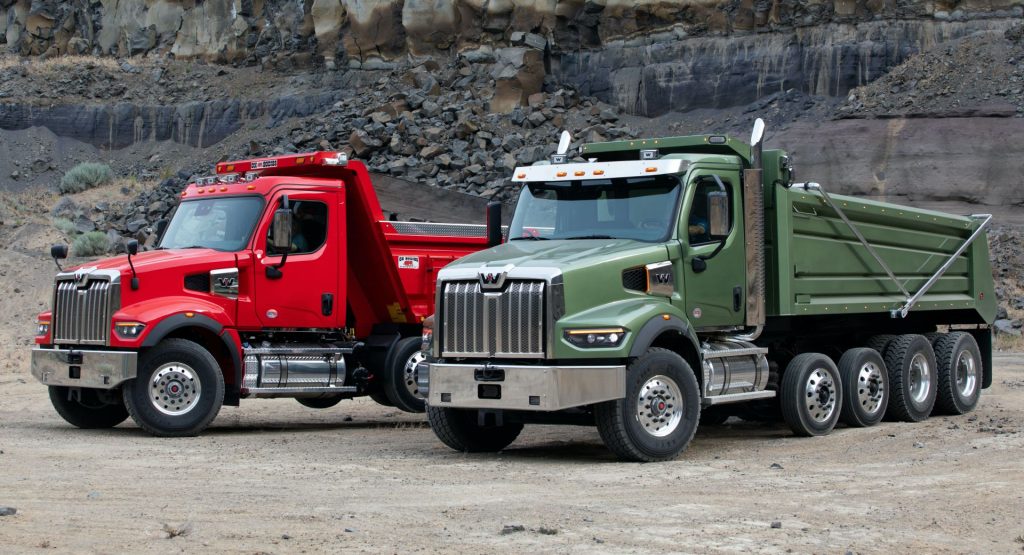
Despite industry concerns, the timeline is moving forward. Engine manufacturers are already working to finalize designs and ensure durability testing is complete, while trucking associations continue to voice concerns about cost and feasibility. Fleets should begin evaluating their replacement cycles now to avoid supply-chain pressures as 2027 approaches. For municipalities and contractors operating mixed fleets, it will be important to understand which equipment types are affected and how new rules may influence future bids, budgets, and long-term planning.
Practical Steps to Prepare Your Fleet
To prepare for the coming changes, fleets and equipment owners can begin taking several practical steps:
Review current fleet age, mileage, and projected replacement timelines.
Discuss future pricing, incentives, and availability with your equipment dealer.
Evaluate whether certain units should be acquired before 2027.
Work with a service partner who understands emissions diagnostics and the new compliance requirements.
Turning Compliance Into an Advantage
The good news is that preparation now can help avoid surprises later. While the 2027 NOx Regulations will bring new costs and technical demands, they also create an opportunity for forward-thinking contractors, municipalities, and fleet owners to modernize equipment, increase long-term efficiency, and reduce environmental impact. For those who stay ahead of the curve, compliance can become a competitive advantage rather than a burden.
How Tracey Road Can Support You Through the Transition
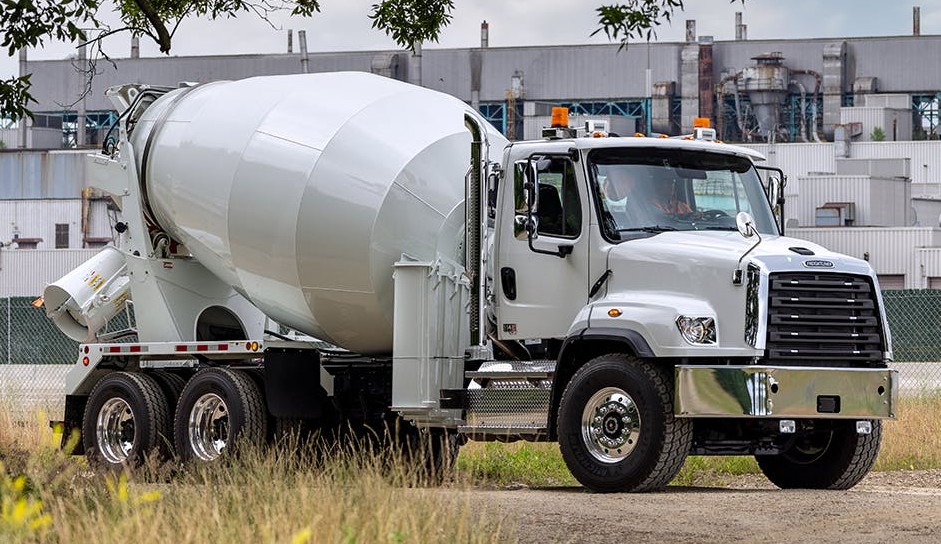
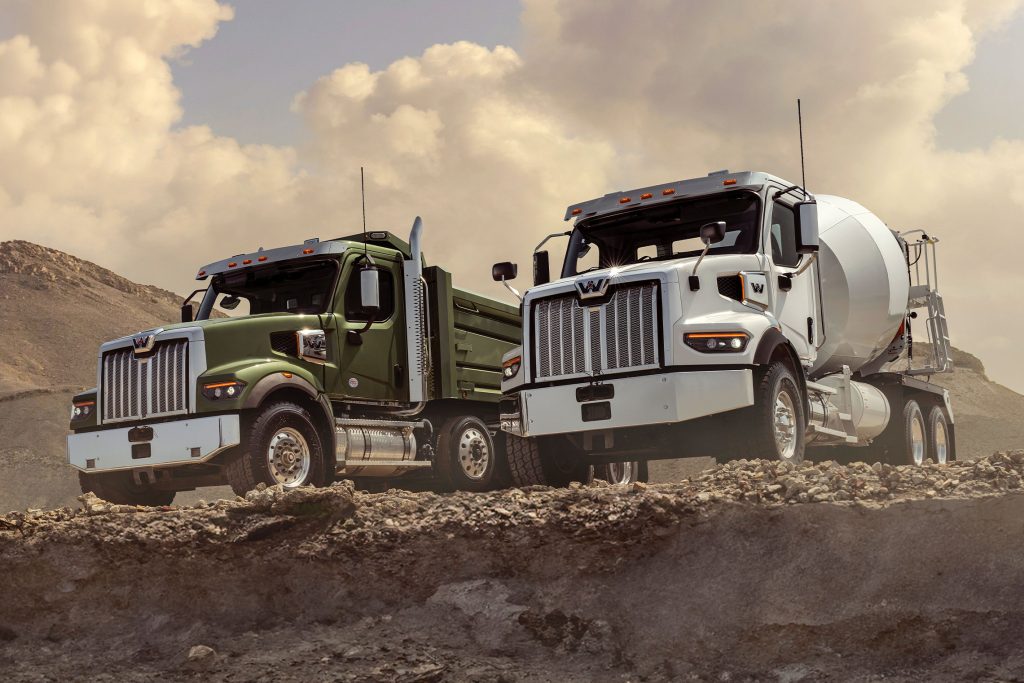
At Tracey Road, our teams are closely monitoring these changes across the industry and working with manufacturers to understand how 2027-spec engines will be introduced. Whether you need guidance on equipment planning, rental support during the transition, or service expertise to maintain uptime, we’re here to help you navigate this next phase of emissions regulation.