AUTONOMOUS WHEEL LOADERS: THE FUTURE OF SMARTER JOBSITE PERFORMANCE
As technology continues to evolve across the construction industry, one innovation is gaining significant attention: autonomous wheel loaders.
Manufacturers like Liebherr are leading the way, exploring how automation can improve efficiency, consistency, and overall jobsite performance. But while the word “autonomous” can raise questions, the reality is much more practical—and much more beneficial—for operators and contractors alike.
Rather than replacing operators, autonomous systems are designed to support them, allowing crews to work smarter, safer, and more efficiently.
autonomous Wheel Loaders are Changing How Work Gets Done
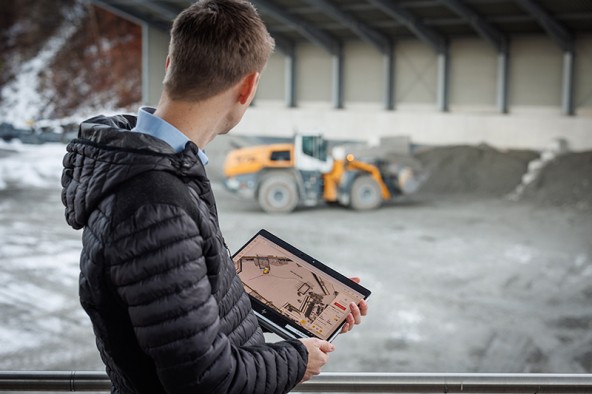
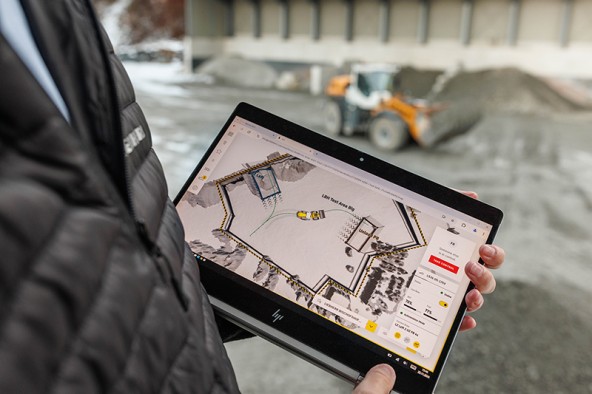
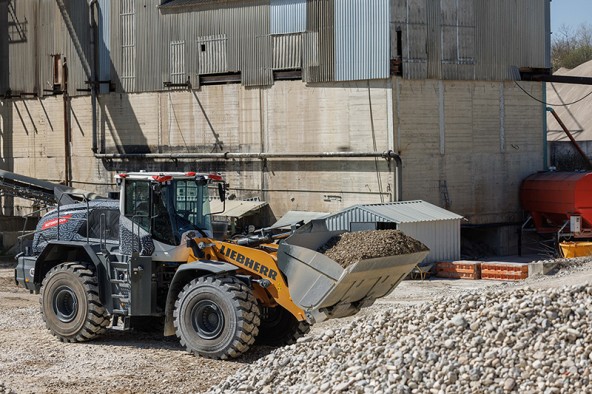
Autonomous driving systems such as ‘Liebherr Autonomous Operations’ have the potential to completely redefine construction sites and their operations. The prototype of an autonomous XPower wheel loader performs repetitive tasks independently, thereby reducing the workload on operating personnel and maintaining processes at a consistently high standard even over long periods of operation. Intelligent machine control allows resources to be utilized more precisely and operational processes to be optimized sustainably.
What Are Autonomous Wheel Loaders?
Autonomous wheel loaders use advanced sensors, software, and machine intelligence to assist or automate certain tasks during operation.
These systems can:
- Monitor machine performance in real time
- Optimize loading cycles
- Assist with repetitive tasks
- Improve accuracy and consistency
In many cases, autonomy doesn’t mean the machine is fully independent. Instead, it works alongside the operator, helping reduce manual workload and improve results.
How Autonomous Systems Improve Jobsite Efficiency
One of the biggest advantages of autonomous wheel loaders is their ability to streamline repetitive tasks.
On many jobsites, operators spend hours performing the same loading cycles—moving material from one location to another. Autonomous systems can help optimize these cycles by:
- Maintaining consistent bucket fill
- Improving cycle timing
- Reducing unnecessary movement
- Minimizing idle time
This leads to smoother operations and more predictable performance across the entire jobsite.
Freeing Operators to Focus on What Matters
A key benefit of autonomous systems is how they support operators—not replace them.
Instead of focusing on repetitive, routine tasks, operators can shift their attention to:
- Monitoring jobsite conditions
- Managing multiple machines or processes
- Handling more complex tasks
- Improving overall workflow
By reducing the mental and physical strain of repetitive work, automation helps operators stay more engaged and productive throughout the day.
Improving Consistency and Reducing Wear
Consistency is critical in material handling. Variations in loading technique can impact everything from fuel efficiency to equipment wear.
Autonomous systems help maintain:
- Consistent bucket loads
- Smooth machine operation
- Reduced stress on components
- More predictable fuel usage
Over time, this can lead to:
- Lower maintenance costs
- Longer machine life
- Improved return on investment
Enhancing Safety on the Jobsite
Safety is another major advantage of automation.
Autonomous and semi-autonomous systems can:
- Monitor surroundings
- Assist with obstacle awareness
- Reduce sudden or unpredictable movements
- Support safer operation in tight or high-traffic areas
While operators remain in control, these systems act as an additional layer of awareness, helping reduce risk on busy jobsites.
A Glimpse Into the Future of Construction Equipment
The development of autonomous wheel loaders is just one part of a larger shift happening across the construction industry.
We are already seeing:
- Machine control systems on excavators and dozers
- Intelligent compaction in asphalt rollers
- Telematics and remote monitoring across fleets
Autonomous technology is the next step—bringing these systems together to create smarter, more connected machines.
In the near future, it’s likely that automation will become a standard feature across many types of equipment, not just wheel loaders.
Why Liebherr Is Leading the Way
Liebherr has been at the forefront of innovation in construction equipment, and their work in autonomous systems reflects a long-term commitment to improving jobsite performance.
Their approach focuses on:
- Supporting operators with intelligent systems
- Improving efficiency without adding complexity
- Delivering reliable, real-world solutions
- Integrating technology seamlessly into existing workflows
This practical approach ensures that new technology provides real value—without disrupting how contractors operate.
What This Means for Your Operation
For contractors and fleet owners, the rise of autonomous systems presents a clear opportunity.
By adopting smarter technology, operations can:
- Increase productivity without increasing labor
- Improve consistency across crews
- Reduce operating costs over time
- Stay competitive in an evolving industry
The key isn’t replacing people—it’s empowering them with better tools.
Liebherr Wheel Loaders at Tracey Road Equipment
At Tracey Road Equipment, we proudly support the full lineup of Liebherr wheel loaders, along with the latest advancements in construction technology.
As automation continues to evolve, our team is here to help you:
- Understand new technology
- Evaluate its impact on your operation
- Plan for future equipment investments
- Stay ahead of industry trends