
Stump Cutter Safety: Maintenance and Operating Tips for a Safer Jobsite
Stump cutters are built to do demanding work, but the same power that makes them productive also means operators need to approach them with care. A high-speed cutter wheel, flying debris, uneven terrain, underground utilities, and worn components can all create hazards if the machine is not properly inspected, maintained, and operated.
For owners and operators of Rayco Stump Cutters, good maintenance and good safety practices go hand in hand. A machine that is inspected regularly, kept clean, and serviced according to the manufacturer’s recommendations is not only more likely to perform properly, but also less likely to develop problems that could put the operator or nearby workers at risk.
Morbark and Rayco emphasize that safe stump cutter operation starts with proper training and a complete understanding of the specific machine being used. The operator’s manual should always be the primary source for operating procedures, maintenance schedules, safety instructions, and machine-specific requirements.
The following tips provide a practical overview of stump cutter safety and maintenance for contractors, tree-care professionals, landscapers, municipalities, and other Rayco operators.
*Important: This article provides general information only. It is not a replacement for the operator’s manual for your specific stump cutter. Always read and follow the manufacturer’s operating, safety, and maintenance instructions.
Safe Cuts Start Here: A Guide to Stump Cutter Safety
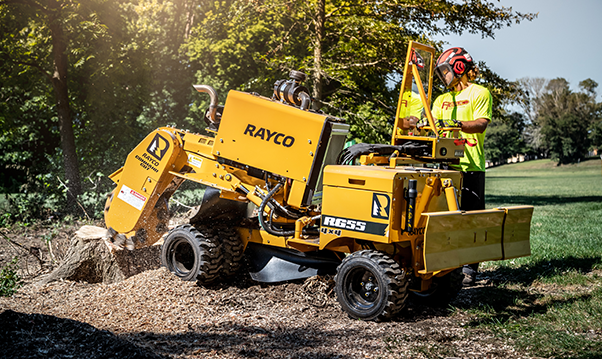
Safety is no accident. Operating a stump cutter safely is not a one-time training exercise- it is a mindset and commitment to continuous adherence and improvement that requires a level of respect, education, and responsibility that should not be taken lightly. By following all safety and maintenance procedures, you can expect years of safe, reliable service from your Rayco stump cutter. Read on to educate yourself on just some of the necessary safety precautions you should be taking every time you operate your Rayco stump cutter. Remember, safety begins with you!
Start With the Operator's Manual
Before operating any stump cutter, become familiar with the machine’s controls, warning labels, emergency shutdown procedures, and maintenance requirements.
Even experienced operators should not assume every stump cutter works exactly the same way. Controls, safety systems, maintenance intervals, cutter-wheel designs, and operating procedures can vary between machines.
TCIA warns against assuming an untrained worker can safely operate a stump grinder based on intuition or general equipment experience. Proper instruction is especially important because stump cutters combine a powerful engine and hydraulic system with a high-speed rotating cutter wheel.
Rayco similarly recommends reading the complete operator’s manual before using the machine. The manufacturer’s manual should always take priority over general tips like those in this article.
Wear the Right Personal Protective Equipment
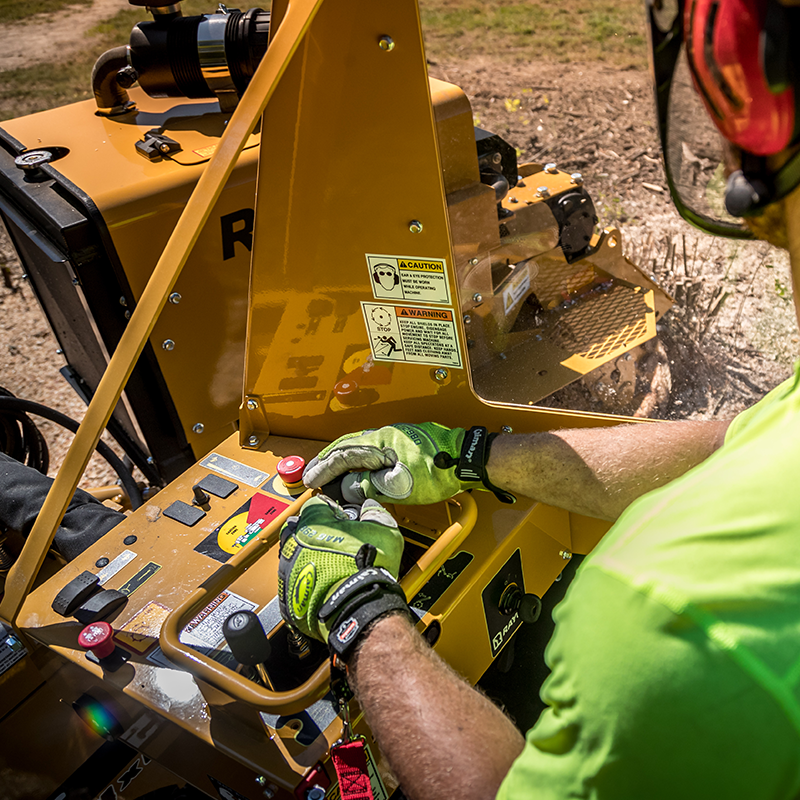
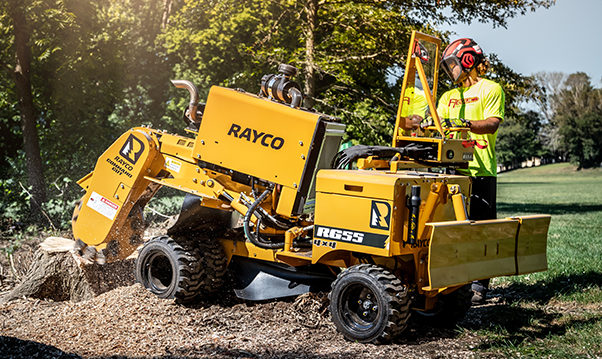
Proper personal protective equipment should be part of every stump-cutting job.
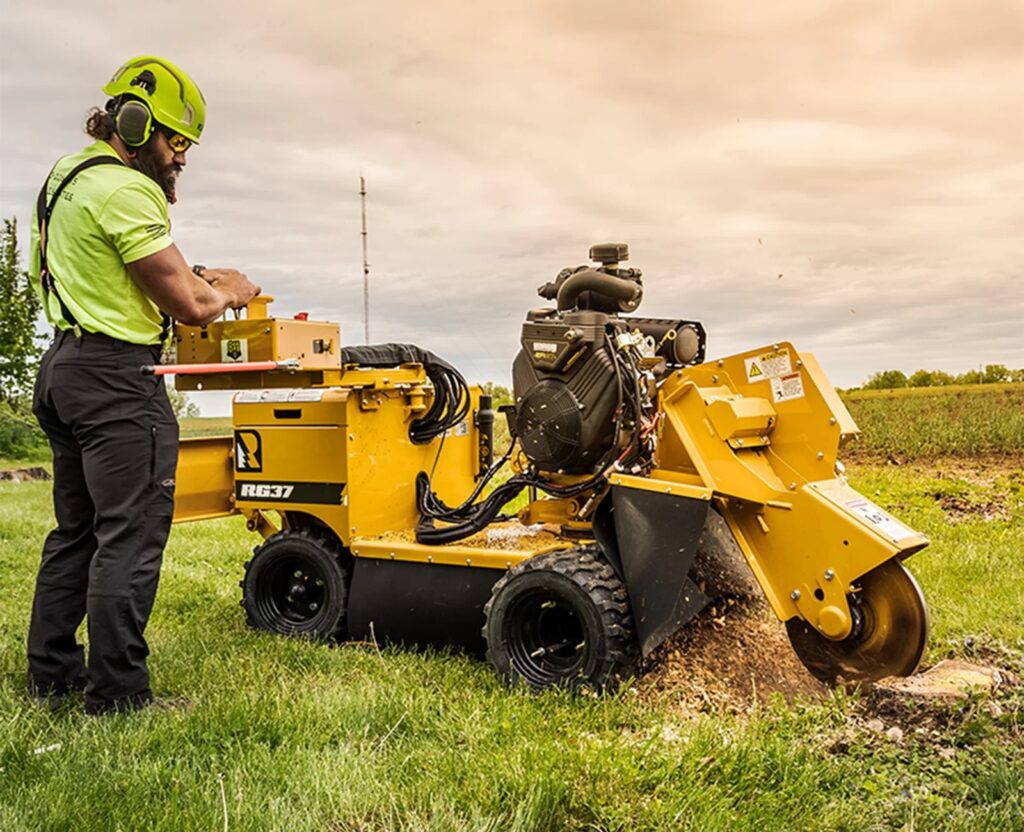
Rayco recommends head protection that meets ANSI Z89.1 standards, eye protection meeting ANSI Z87.1 requirements, hearing protection, steel-toed boots, and work gloves. Clothing should fit closely enough that it cannot become caught in moving parts, and long hair should be secured. Jewelry and loose or dangling clothing should also be avoided.
For work performed near traffic, in low-light conditions, or after dark, high-visibility or reflective clothing can further improve operator visibility.
PPE cannot replace proper operating practices, but it adds an important layer of protection against flying material, noise, falling debris, and other jobsite hazards.
Perform a Walk-Around Before Every Shift
A daily inspection is one of the simplest ways to identify a developing problem before it causes downtime or creates a safety concern.
Before starting a Rayco stump cutter, walk around the entire machine and look for loose hardware, leaks, damage, worn components, and accumulated debris.
Rayco recommends checking areas such as:
- Cutter-wheel teeth and related hardware
- Cutting boom cylinders and linkage
- Tires, rims, or tracks depending on the machine
- Engine oil level
- Belts and drive components
- Hydraulic components and hoses
- Guards and shields
- Areas around the engine for accumulated wood chips or debris
The exact inspection checklist will vary by model, which is another reason to follow the maintenance section of the machine’s operator’s manual.
A few minutes spent inspecting the machine before work begins can prevent a much larger problem later in the day.
Pay Special Attention to Cutter Teeth
The cutter wheel is at the center of the stump cutter’s performance, so its condition deserves regular attention.
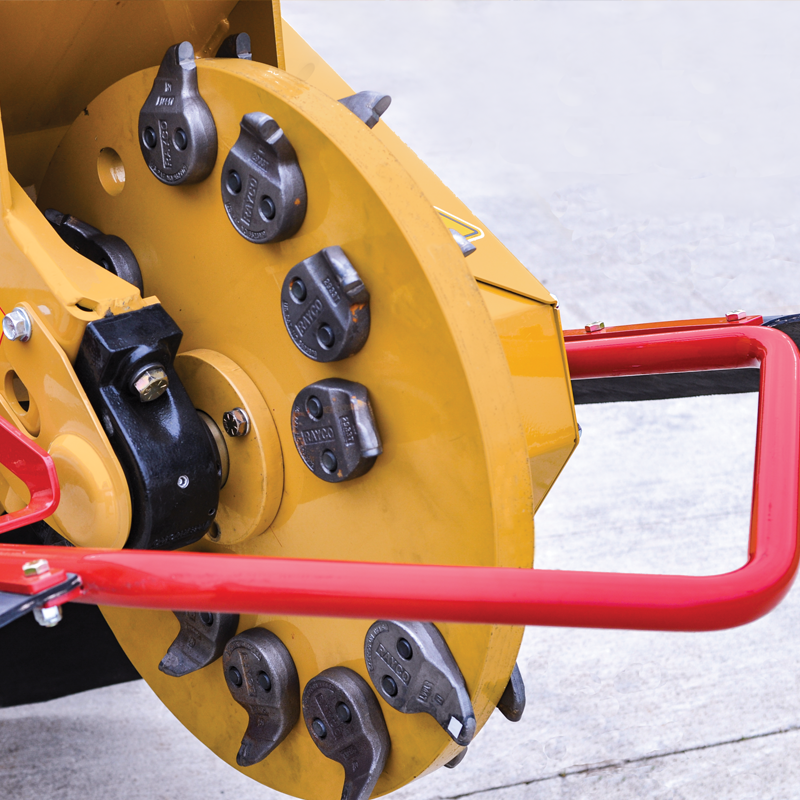
Inspect the cutter teeth for excessive wear, damage, missing hardware, or loose components. Worn teeth can reduce cutting performance and encourage the operator to push the machine harder than necessary.
Sharp, properly maintained teeth allow the cutter wheel to work more efficiently.
TCIA notes that grinding roots frequently brings the cutter teeth into contact with soil, which causes them to dull more quickly. Operators should keep this additional wear in mind when inspecting machines that spend a significant amount of time removing roots below grade.
Never inspect, adjust, or replace cutter-wheel components while the machine is running or capable of being started unexpectedly. Follow the shutdown and service procedures provided for your specific Rayco model.
Check Belt and Drive-System Tension
Correct belt or drive-system tension is another important maintenance item.
Rayco specifically identifies cutter-wheel belt and track adjustments among its maintenance procedures and provides service resources for owners and technicians. Depending on the model, the operator’s manual will specify inspection intervals and the correct adjustment procedure.
For machines using Rayco’s Cutting Wheel PolyChain system, Morbark’s maintenance guidance calls for checking and adjusting tension at prescribed operating intervals, with the machine fully shut down during inspection.
Too little tension can affect performance, while incorrect adjustment can contribute to premature wear or component damage. Do not rely on guesswork. Use the specifications and procedure for the exact machine.
Keep the Machine Clean
Stump cutting creates large amounts of chips, dust, dirt, and fine debris. Allowing that material to accumulate around the engine, cooling system, belts, or other components can contribute to overheating and make inspections more difficult.
Clean debris from the machine regularly, particularly around:
- Engine compartments
- Radiators and cooling packages
- Hydraulic components
- Belt and drive areas
- Cutter-wheel guards
- Moving joints and pivots
Rayco provides maintenance guidance specifically covering items such as radiator cleaning, track adjustment, belt tension, and tooth replacement.
A clean machine also makes oil leaks, loose hardware, damaged hoses, and other problems easier to spot.
Lubrication Matters
Proper lubrication reduces wear and helps moving components operate smoothly.
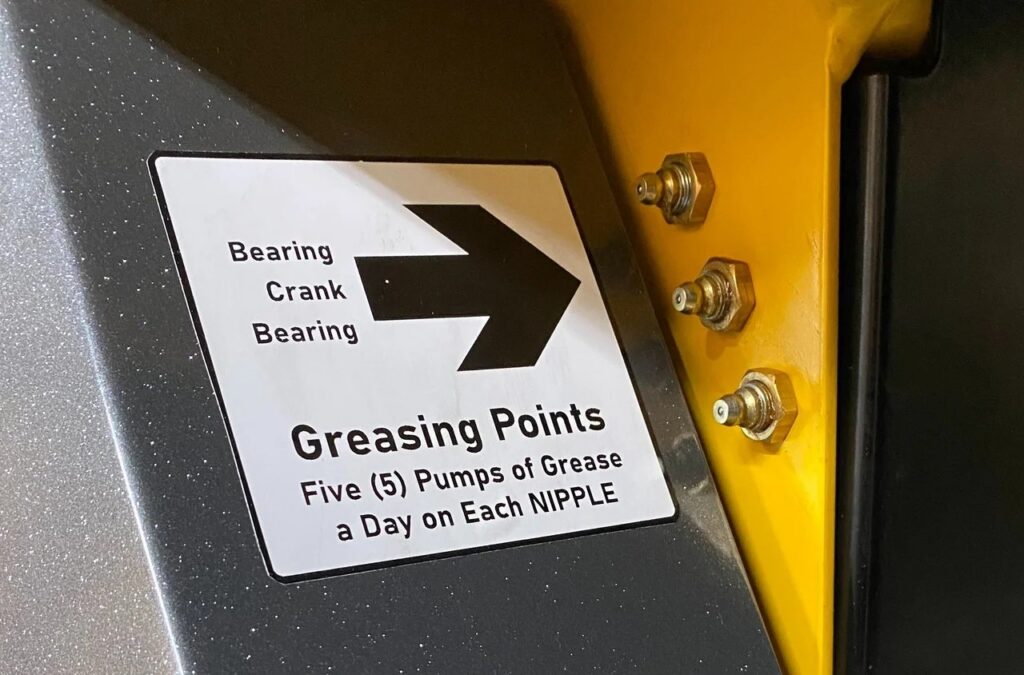
Rayco’s published maintenance guidance identifies lubrication points including jackshaft bearings, boom pivots, cutter-wheel areas, and cutter-wheel bearings as examples of components that may require routine attention.
The correct lubrication points and intervals depend on the stump cutter model, so follow the machine’s maintenance chart rather than applying a one-size-fits-all schedule.
It is easy to overlook lubrication when a machine appears to be operating normally, but routine greasing can significantly affect component life over hundreds of operating hours.
Inspect the Work Area Before You Start
Stump cutter safety involves more than inspecting the machine. Operators also need to inspect the site.
One of the biggest concerns is what cannot immediately be seen.
Before grinding, determine whether underground utilities, irrigation lines, electrical lines, gas lines, communication lines, or other buried infrastructure could be present.
Rayco advises contacting 811 Before You Dig before operating around underground utilities.
Operators should also look for objects that may have become embedded in or buried around the stump. These can include rocks, concrete, fencing, metal stakes, nails, wire, rebar, or other debris.
TCIA recommends continuously evaluating the stump for hidden hazards while working.
If something unexpected is discovered, stop the machine and address the hazard before continuing.
Establish a Safe Work Zone
Flying chips and debris can travel well beyond the stump itself.
The work area should therefore be controlled so employees, customers, pedestrians, vehicles, windows, and other property remain safely away from the cutting operation.
One important point is that general industry guidance and specific manufacturer instructions may specify different minimum distances. Rayco’s published guidance says personnel should remain at least 25 feet from the machine and working area, while TCIA’s broader stump-grinder best practices recommend keeping onlookers at least 75 feet away while the cutting wheel is rotating.
Always follow the requirements in the operator’s manual for your specific machine, along with applicable jobsite rules and regulations.
Protective barriers or guards may also be necessary when working near buildings, windows, vehicles, pedestrians, or other property.
Warm Up the Machine Properly
Putting a cold machine immediately under full load can be hard on components.
Rayco recommends allowing the engine and hydraulic system to warm before beginning the cutting process. Its general guidance calls for warming the engine at idle and cycling the controls so hydraulic oil can circulate through the cylinders and lines.
The machine-specific operator’s manual should determine the proper warm-up process.
A proper warm-up gives the operator an additional opportunity to listen for unusual sounds, verify normal machine response, and identify problems before engaging the cutter wheel.
Do Not Rush the Cutting Process
Stump removal is typically most effective when the cutter wheel makes controlled, shallow passes rather than being forced deeply into the material.
TCIA recommends shallow cutting passes and warns against forcing the machine to make deeper cuts, which can overload the equipment and potentially contribute to injury or machine damage. Operators should also stay focused on cutter-wheel reaction and the direction of flying debris throughout the process.
Rayco’s general stump-removal guidance similarly describes gradually working through roots and the stump using repeated side-to-side passes.
Operators should never become so focused on production that they stop watching the surrounding work zone.
Efficiency comes from using the machine correctly, not simply pushing it harder.
Watch for Unusual Noise or Vibration
Operators become familiar with how their equipment normally sounds and feels. A sudden change deserves attention.
Unusual vibration, noise, movement, or performance can indicate a damaged cutter tooth, loose hardware, drive-system problem, or another mechanical issue.
TCIA recommends shutting the machine down when abnormal noise or vibration occurs and inspecting for damage according to proper shutdown procedures.
Continuing to operate a machine that suddenly behaves differently can turn a relatively minor maintenance problem into a more serious failure.
Never Leave a Rotating Cutter Wheel Unattended
The operator should remain at the controls whenever the cutting wheel is rotating.
Before leaving the machine, shut it down and make sure all moving components have completely stopped. Follow the manufacturer’s procedure for securing the machine against accidental startup.
The cutter wheel retains significant energy, and simply reducing engine speed is not the same as putting the machine in a safe condition for inspection, maintenance, repositioning, or leaving it unattended.
Proper Maintenance Protects More Than the Machine
Stump cutter maintenance is sometimes viewed primarily as a way to prevent breakdowns. It is also an important part of safe operation.
Loose cutter hardware, worn teeth, damaged guards, leaking hydraulic components, improperly adjusted belts, or neglected safety systems can all affect how predictable the machine is to operate.
Rayco offers model-specific maintenance information, instructional resources, maintenance kits, OEM parts, and dealer service support to help owners keep their machines operating correctly.
Keeping service records can also help fleets track maintenance intervals and identify components that are wearing faster than expected.
Build Safety Into the Daily Routine
One of the best ways to improve stump cutter safety is to make inspection and maintenance routine rather than something crews think about only when a problem occurs.
Before each job:
- Review the work area and underground hazards.
- Complete the machine walk-around.
- Inspect cutter teeth, guards, hoses, tires or tracks, and drive components.
- Confirm that the required PPE is being worn.
- Establish a safe area around the machine.
- Warm the machine according to the manufacturer’s instructions.
- Verify that controls and safety systems operate correctly.
During operation, remain aware of people entering the work zone, changes in terrain, hidden objects, unusual machine behavior, and debris leaving the cutting area.
When the work is complete, inspect and clean the machine so it is ready for the next job.
Keep Your Rayco Stump Cutter Ready for the Next Job
Rayco Stump Cutters are designed for demanding professional applications, but reliable performance depends on what happens between jobs as much as what happens while the cutter wheel is turning.
Proper training, routine inspections, clean components, sharp cutter teeth, correct adjustments, and disciplined operating practices all contribute to safer and more productive stump removal.
The most important rule is also one of the simplest: know your machine.
This article is intended as a general overview and does not replace your Rayco operator’s manual, safety training, employer procedures, or applicable regulations. Always follow the instructions and maintenance schedule for your specific stump cutter.
As a Rayco and Morbark dealer, Tracey Road Equipment can help customers with parts, maintenance, service, and product support to keep equipment ready for the work ahead.

Service Hours
Syracuse:
- Monday - Friday: 7:00AM - 11:00PM
- Saturday: 7:00AM - 12:00PM
- Sunday: Closed
Other Locations:
- Monday - Friday: 7:00AM - 5:00PM
- Saturday - Sunday: Closed
Elite Support Locations
Other Locations